About me.
I'm a UX researcher with a background in computer science and UI/UX design. I'm interested in how people use software and interpret information.

At the University of Washington, I studied visual misinformation through qualitative coding and image-analysis pipelines. I also led research on C2PA, a standard for recording where digital media comes from and how it has been edited. That work was presented at the Trust and Safety Research Conference at Stanford. The conference program (PDF) lists our poster, “More Than Meets the Eye: Exploring the Efficacy of Media Provenance for Synthetic Content Analysis.”
At Meta, through TEKsystems, I design, moderate, and analyze human factors studies of AR/VR visual comfort and safety. Their findings have informed product decisions for novel devices. I also run statistical analyses of high-frequency study data and build pipelines for storing human subject data securely. Earlier, at Humana, I analyzed behavioral logs from healthcare chatbot interactions and translated recurring user problems into usability recommendations.
I studied computer science at Georgia Tech. There I did my first fieldwork, on harassment and moderation in Horizon Worlds, and taught computing ethics for four semesters, three as head TA. That teaching, my coursework, and hackathon projects from those years are in the garage.
What I bring to a research team
- Research
- I plan and run usability studies, interviews, and surveys, then analyze qualitative feedback and behavioral data to develop recommendations.
-
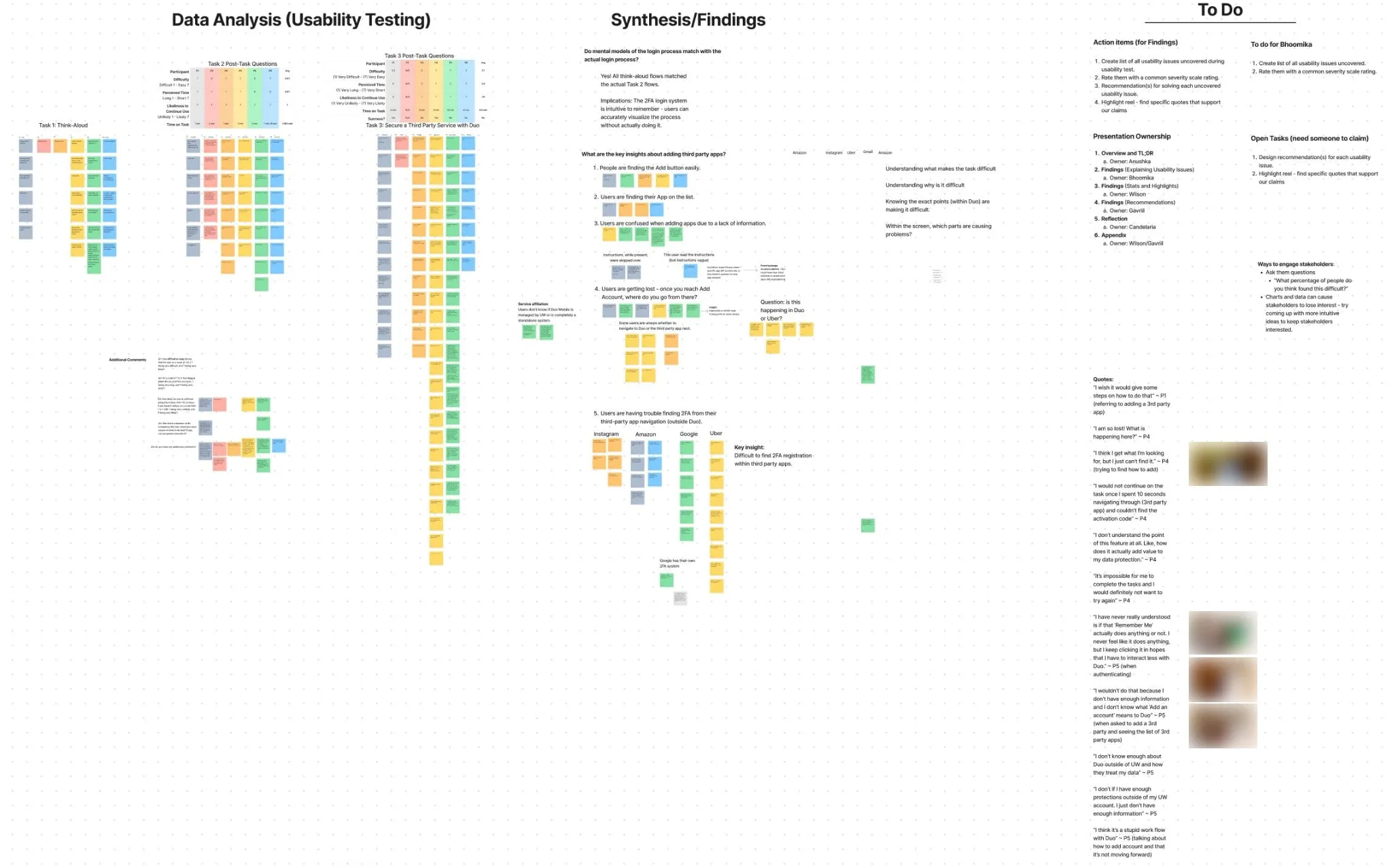 Affinity map from the Duo study
 - Programming
- I build data pipelines and analysis tools that support research. My work includes Python and OpenCV for image analysis, statistical analysis of high-frequency study data, and ETL pipelines for human subject data.
-
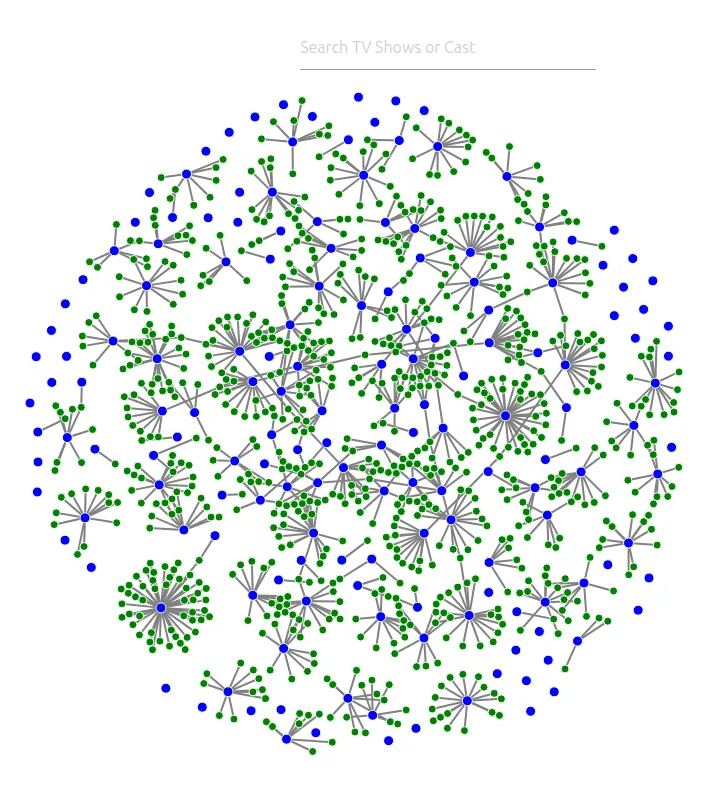 A D3 graph I built at Georgia Tech
 - Prototyping
- I use wireframes and interface prototypes to make ideas testable. In the misinformation study, I built the Community Notes notification concept that our team tested alongside two other proposals.I also use AI coding agents for rapid prototyping: Pocket Raid Tools, a personal project, grew from one cooldown timeline into a deployed app in three months.
-
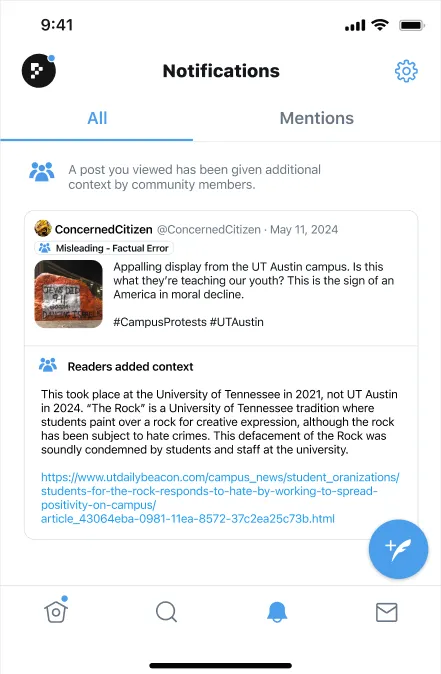 My Community Notes prototype
My next role
I'm looking for UX research roles focused on software and digital interfaces, preferably remote. I'm also interested in behavioral research and trust and safety roles where programming can support the research.
Download resume (PDF)